An In-Depth Look at Oncological Diseases

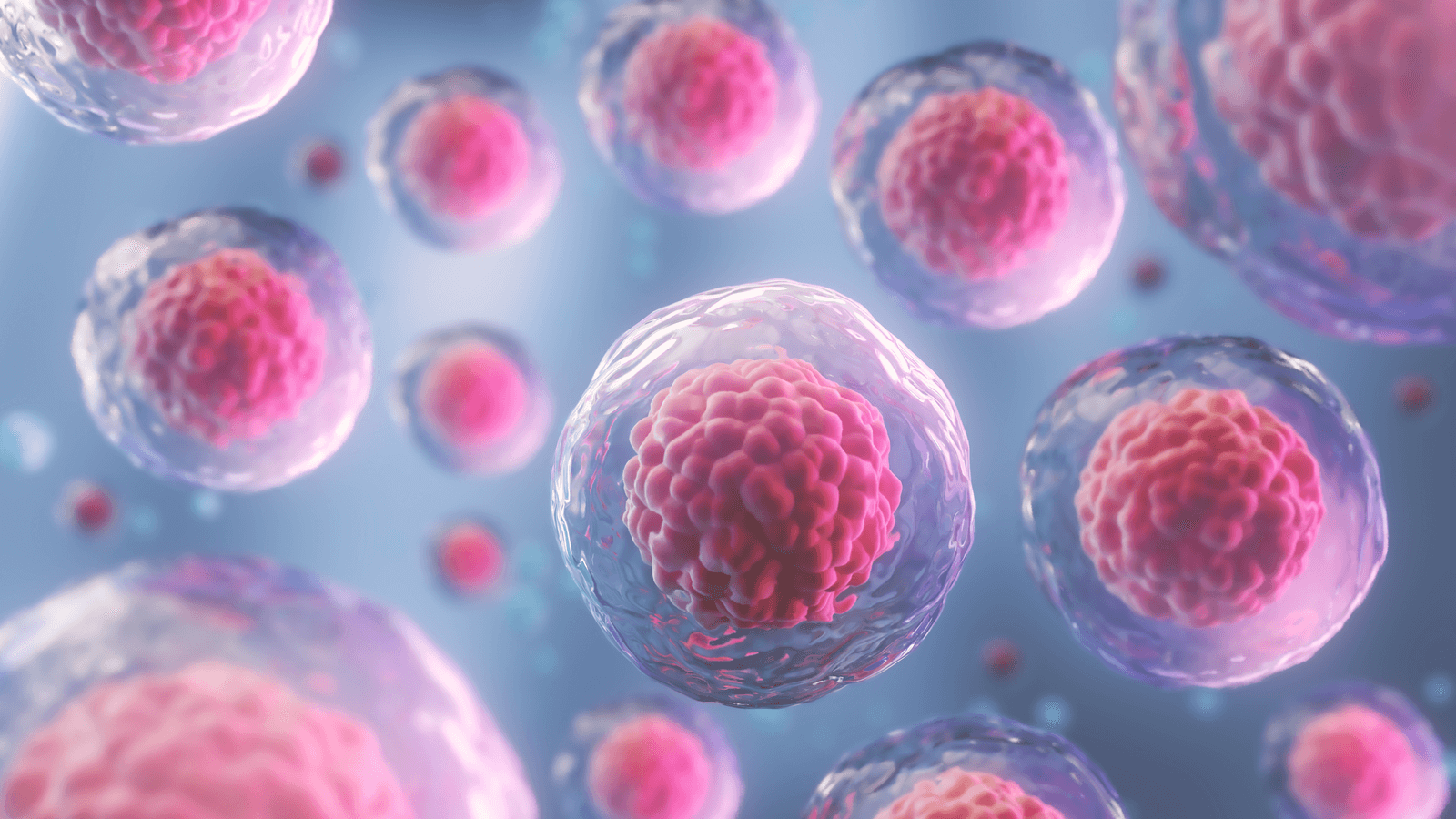
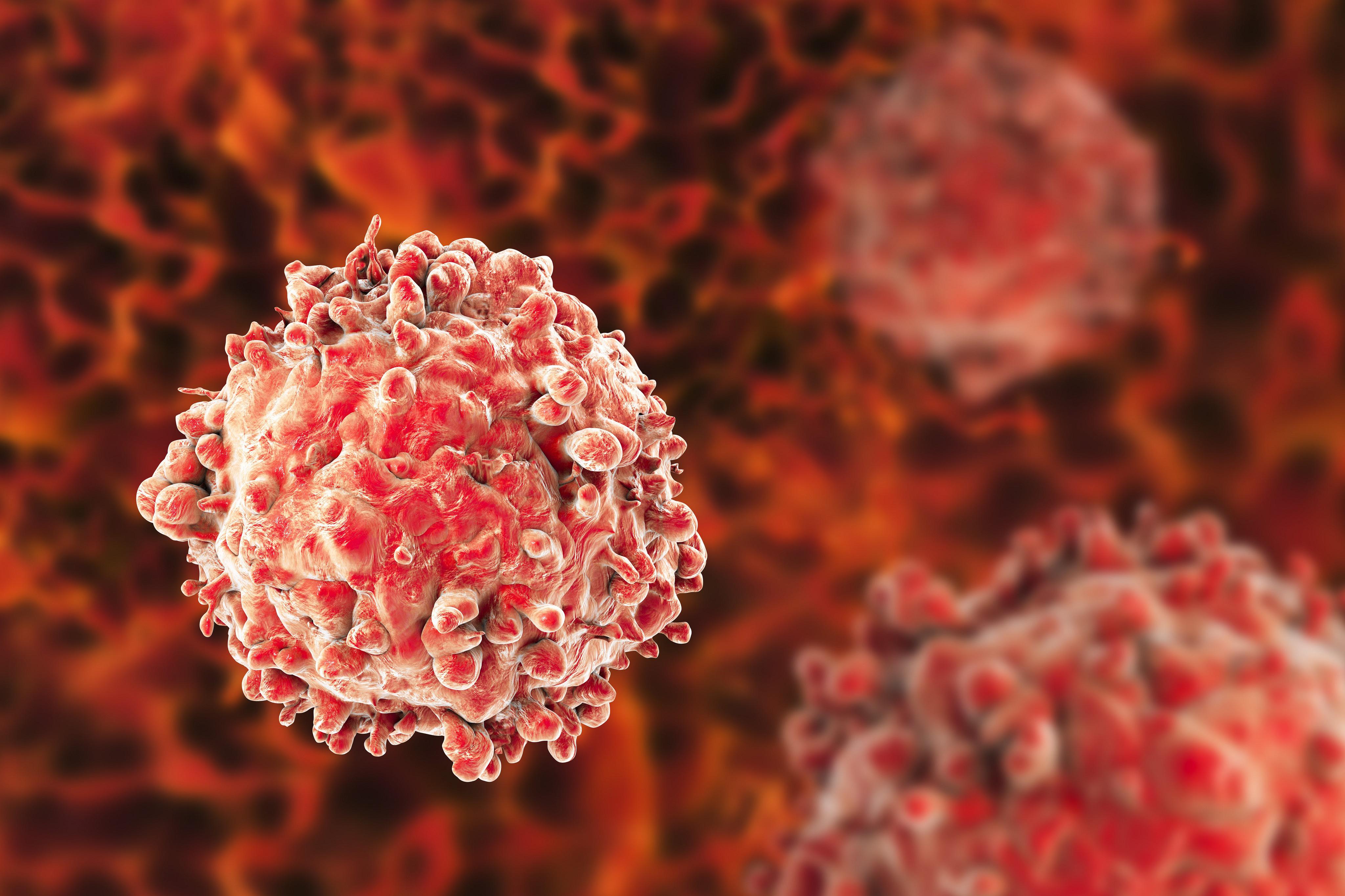
The human organism is sustained by trillions of individual cells that function, replicate, and expire in a highly orchestrated biological sequence. In a healthy physiological state, cellular division is strictly regulated by genetic instructions to ensure that tissues grow and repair themselves seamlessly. However, when these precise regulatory mechanisms fail, the resulting uncontrolled cellular proliferation leads to a vast and highly complex category of diseases known universally as Cancer. In the medical realm, this term does not refer to a singular illness, but rather serves as a broad classification for over a hundred distinct pathological conditions. The defining hallmark across this entire spectrum is the aggressive, unchecked multiplication of abnormal cells that effectively bypass the body’s natural defense systems and functional boundaries.
To fully grasp the pathophysiology of these oncological disorders, it is necessary to examine the microscopic environment within the cellular nucleus. The entire disease process originates from cumulative damage to deoxyribonucleic acid (DNA). Normal cells contain specific genes—primarily oncogenes that promote necessary growth, and tumor suppressor genes that dictate when a cell should halt division or undergo programmed cell death, known as apoptosis. When these critical genes sustain mutations due to environmental carcinogens, inherited genetic abnormalities, or spontaneous replication errors, the cell loses its biological braking system. Instead of perishing when damaged, these aberrant cells survive and multiply exponentially, eventually aggregating into solid structural masses known as tumors.
It is critically important for medical professionals to distinguish between benign and malignant growths. Benign tumors, while occasionally problematic depending on their anatomical location, do not possess the capacity to invade adjacent tissues. Malignant tumors, conversely, exhibit an aggressive biological imperative to infiltrate surrounding healthy tissue architecture. Furthermore, malignant cells possess the dangerous capability to detach from the primary tumor site, enter the circulatory or lymphatic systems, and establish secondary growths in distant, vital organs. This systemic dissemination, medically termed metastasis, represents the most significant challenge in oncological treatment and heavily influences overall patient prognoses.
Medical science categorizes these diseases based on their distinct tissue of origin, which heavily dictates the cellular behavior and appropriate therapeutic response. Carcinomas represent the vast majority of diagnosed cases, originating in the epithelial cells that form the inner and outer linings of organs such as the lungs, breasts, prostate, and colon. Sarcomas are less common and arise within the body’s connective and structural tissues, including bone, muscle, cartilage, and vascular networks. Hematological malignancies operate differently, often bypassing the formation of solid tumors entirely. Leukemias originate in the blood-forming tissues of the bone marrow, causing a massive overproduction of abnormal white blood cells. Lymphomas develop directly within the lymphatic system, causing dysfunctional lymphocytes to rapidly accumulate in lymph nodes and major organs.
Accurate diagnosis and meticulous staging form the absolute foundation of effective medical intervention. When a patient presents with suspicious symptoms or imaging irregularities on a high-resolution computed tomography (CT) or magnetic resonance imaging (MRI) scan, a tissue biopsy is universally required to confirm the presence of malignancy. Pathologists examine the extracted tissue at a cellular level to determine the specific tumor type and grade. Subsequently, the disease is staged, most frequently utilizing the TNM classification system. This framework evaluates the size and localized extent of the primary tumor (T), the degree of regional lymph node involvement (N), and the presence or absence of distant metastasis (M). This standardized staging protocol provides oncology teams with a universal language to predict disease trajectory and formulate precise treatment protocols.
The therapeutic landscape for managing these complex disorders requires a highly integrated, multidisciplinary approach. Depending on the exact cellular profile and stage of the disease, treatment regimens may incorporate precision surgical resection, highly targeted radiation therapy, and systemic chemotherapy. In recent years, the medical field has experienced a paradigm shift with the rapid advancement of targeted molecular therapies and immunotherapies, which actively recruit the patient’s own immune system to recognize and eradicate abnormal cells. Premium medical institutions prioritize this collaborative care model, seamlessly blending cutting-edge technology with specialized medical expertise. Distinguished centers such as Liv Hospital utilize specialized tumor boards to design meticulously personalized, genomic-based therapeutic regimens, ensuring that patients receive the most scientifically advanced oncological care available.
The relentless progression of medical research continues to demystify the profound complexities of cellular mutation and tumor microenvironments. The emphasis on proactive genetic screening, early diagnostic biomarkers, and highly personalized molecular medicine has dramatically shifted the overarching narrative surrounding oncological care. By identifying cellular abnormalities in their most nascent stages and deploying targeted therapies that attack specific genetic vulnerabilities, the global medical community is steadily transforming historically formidable diagnoses into highly manageable conditions. As scientific understanding deepens and therapeutic technologies become increasingly refined, the capacity to effectively halt cellular proliferation and restore physiological equilibrium continues to expand, paving a highly optimistic path forward for patient care worldwide.