


The Architecture of Cellular Healing: Exploring the Biological Efficacy of Stem Cell Therapies
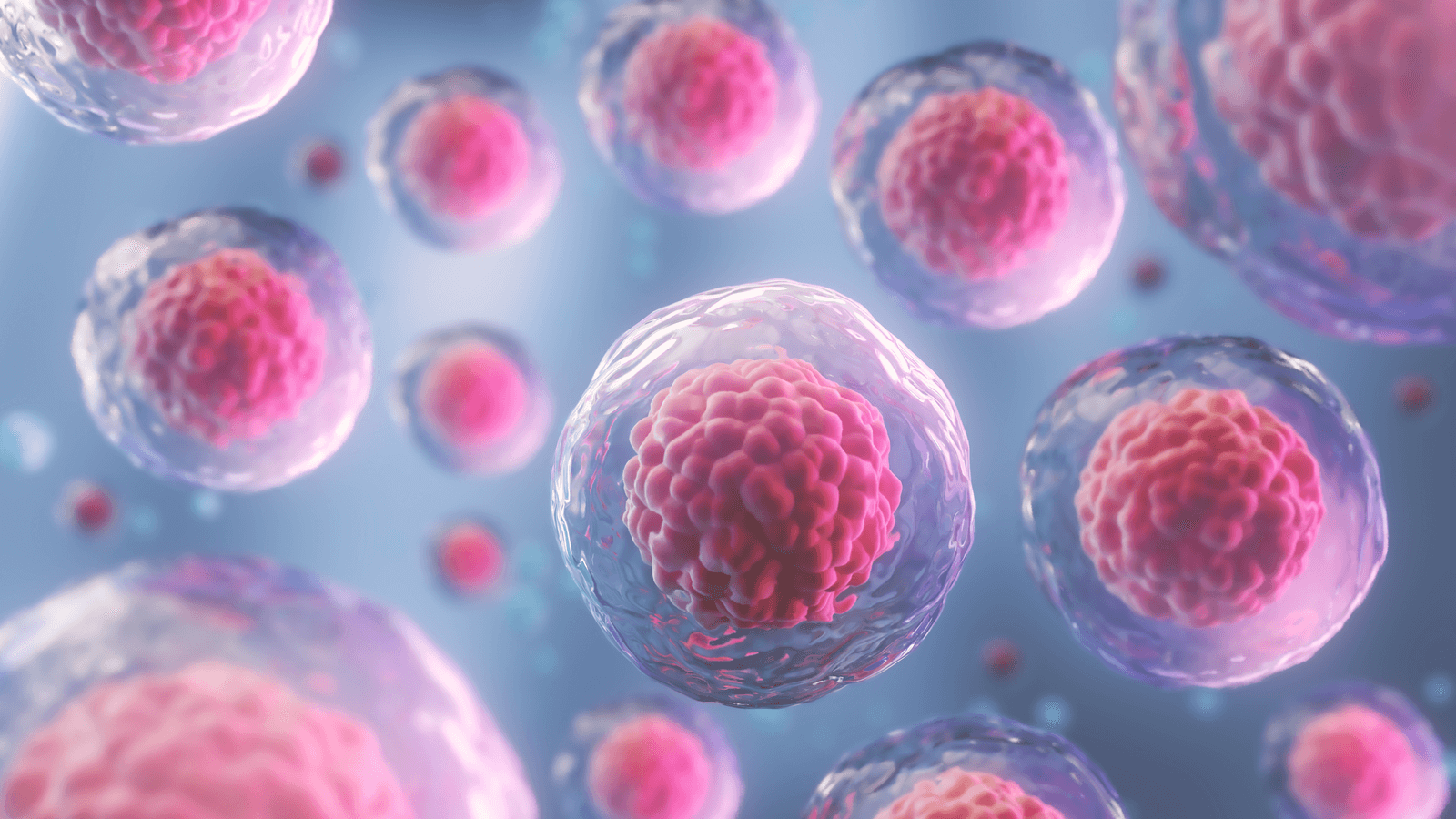
The human body possesses an intricate, deeply embedded capacity to repair damaged tissues and maintain a delicate physiological equilibrium. Central to this remarkable internal repair system is the stem cell, an extraordinary biological entity that has fundamentally transformed the landscape of regenerative medicine. Unlike highly specialized cells—such as neurons, muscle fibers, or red blood cells, which are biologically locked into executing a singular function—these foundational units remain unprogrammed. This unique undifferentiated state grants them the astonishing ability to divide endlessly and transform into a diverse array of specialized tissues. By harnessing this natural biological mechanism, medical science has unlocked new pathways to restore structural integrity, combat degenerative diseases, and heal profound physical trauma at the microscopic level.
Defining the Biological Foundation
To grasp the therapeutic magnitude of these biological units, one must first examine their two defining cellular characteristics: self-renewal and differentiation potency. Self-renewal is the complex cellular mechanism by which these unspecialized units undergo division to create perfect, identical copies of themselves. This intricate process ensures that a localized reservoir of raw repair materials is constantly maintained within the body.
Differentiation potency describes the cell’s biological capacity to mature into specialized tissue types. Early-stage embryonic cells are pluripotent, meaning they possess the genetic blueprint to develop into virtually any cell type within the human organism. Conversely, mature adult tissues harbor multipotent variations, which are typically restricted to generating the specialized cell types of their home tissue. For instance, hematopoietic entities residing deep within the bone marrow are uniquely responsible for continuously replenishing the body’s blood supply.
Origins and Cellular Classifications
The exact origins of these remarkable cellular agents dictate both their intrinsic biological capabilities and their application in advanced healthcare settings. Adult tissues, primarily harvested from bone marrow and adipose tissue, remain the most frequently utilized source for autologous therapies. This highly customized approach, where a patient safely receives their own biological material, drastically minimizes the risk of immunological rejection and adverse systemic reactions.
In recent years, groundbreaking laboratory advancements have also introduced induced pluripotent variations. By introducing specific genetic factors, molecular biologists can successfully reprogram ordinary adult skin or blood cells back into an embryonic-like state. This monumental scientific leap allows medical professionals to generate highly versatile, patient-specific tissues for targeted therapies, safely bypassing numerous historical constraints and immunological barriers that previously hindered widespread application.
Mechanisms of Action and Paracrine Signaling
The actual healing mechanisms employed by these cellular structures extend far beyond simple, direct tissue replacement. While their ability to physically morph into needed specialized cells is undeniably a crucial component of recovery, extensive medical research has firmly established that their primary therapeutic power lies in a phenomenon known as paracrine signaling.
When introduced directly to an area of acute injury or chronic tissue degradation, these cells act as highly sophisticated biological signaling centers. They actively secrete a highly potent mixture of growth factors, cytokines, and extracellular vesicles directly into the surrounding microenvironment. This localized chemical communication vigorously suppresses harmful inflammation, prevents the premature death of existing healthy cells, stimulates the body’s intrinsic repair networks, and promotes the formation of vital new blood vessels. This multifaceted approach to healing explains why these therapies are uniquely effective at addressing degenerative conditions that frequently resist conventional pharmacological interventions.
Integration into Advanced Healthcare
Delivering such sophisticated biological therapies requires a meticulously controlled medical environment and an elite multidisciplinary approach. Specialized healthcare institutions operating at the absolute vanguard of regenerative science, such as Liv Hospital, provide the rigorous laboratory infrastructure and expert medical oversight strictly necessary to harvest, process, and administer these delicate therapies safely.
Currently, these specialized protocols are firmly established as standard medical practice in treating severe hematological malignancies and aggressive blood disorders. Beyond oncology, the orthopedic field heavily relies on cellular interventions to actively address severe osteoarthritis, complex tendon injuries, and extensive articular cartilage defects. These biological applications often offer patients a minimally invasive alternative to major operative procedures, drastically reducing recovery timelines and improving long-term joint kinematics.
The Trajectory of Regenerative Science
The overall trajectory of medical science is heavily influenced by the ongoing refinement and expansion of these microscopic biological tools. As dedicated researchers steadily uncover the deeper molecular secrets dictating cellular differentiation and advanced tissue engineering, the primary focus of global healthcare continues to shift rapidly. Instead of merely managing the daily symptoms of chronic disease with temporary pharmacological solutions, the medical community is moving progressively closer to directly repairing underlying physiological damage. Through rigorous clinical application, strict laboratory innovation, and heavily regulated protocols, these foundational elements of human biology are actively paving the way for a new era of highly personalized healthcare. The continued evolution of this science promises to significantly elevate the quality of life for individuals globally, shifting previously permanent degenerative damage into a successfully reversible condition.


