


Excellence in Orthopedic Health and Joint Care
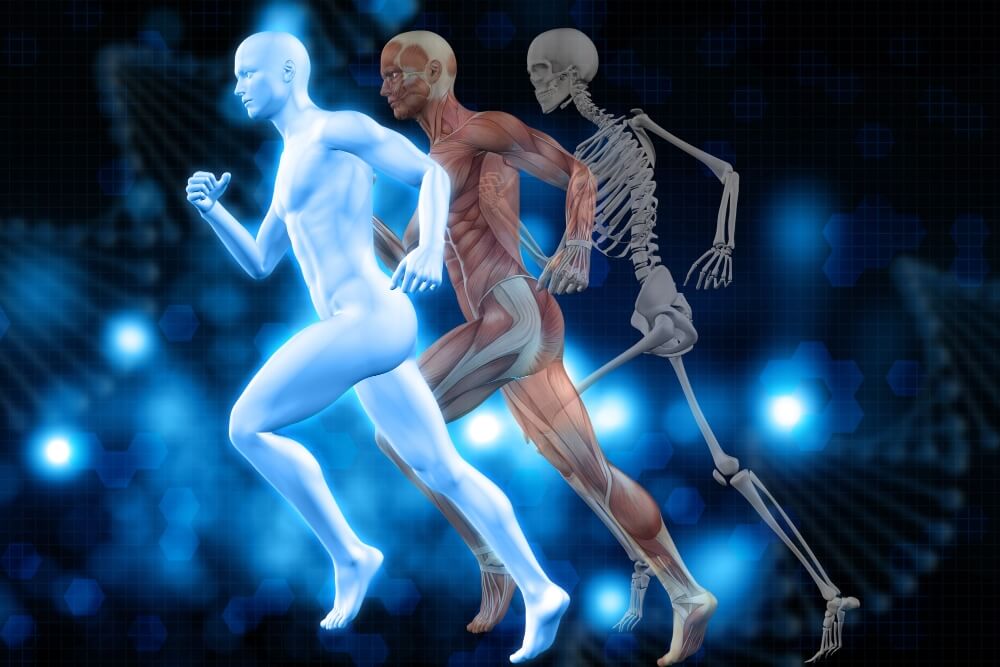
The human body is an extraordinarily complex structure heavily reliant on a highly integrated framework of bones, joints, ligaments, tendons, and muscles. This internal architecture not only provides essential structural support and protects vital organs but also facilitates every single movement an individual makes, from the subtle act of typing to the intense physical exertion of running a marathon. When illness, age, or injury disrupts the delicate balance of this system, mobility can become severely restricted, accompanied by debilitating pain. The dedicated medical field tasked with diagnosing, treating, managing, and preventing these structural and functional disorders relies on expert Orthopedic care. Medical professionals within this specialty devote their expertise to restoring pain-free movement, ensuring that patients can regain their physical independence and maintain a high quality of life.
The spectrum of conditions affecting the musculoskeletal system is remarkably diverse, often requiring highly targeted therapeutic approaches. One of the most prominent challenges faced by patients worldwide involves degenerative joint diseases, such as osteoarthritis. This progressive condition occurs when the protective articular cartilage that cushions the ends of bones gradually wears away over time. The resulting bone-on-bone friction causes chronic inflammation, severe stiffness, and significant pain, particularly in major weight-bearing joints like the hips and knees. Beyond degenerative conditions, systemic autoimmune disorders, such as rheumatoid arthritis, can cause the body’s immune system to mistakenly attack the joint linings, leading to profound structural deformities if left unmanaged.
Acute physical trauma represents another significant pillar of musculoskeletal medicine. Unforeseen accidents, high-impact collisions, and severe falls frequently result in complex bone fractures, severe joint dislocations, and traumatic soft tissue damage. In these critical scenarios, immediate and highly precise medical intervention is absolutely essential. Specialists must accurately realign fractured bones and stabilize damaged joints to ensure that the healing process occurs correctly, preventing long-term physical disabilities or improper anatomical fusion. Spine disorders, ranging from traumatic herniated intervertebral discs to progressive structural curvatures like scoliosis, also fall under this vast umbrella, requiring meticulous attention to protect delicate nerve pathways and maintain core structural alignment.
Active individuals and professional athletes frequently encounter a specific subset of musculoskeletal issues. The intense physical demands placed on the body during athletic performance often lead to severe acute or overuse injuries. Connective tissues are particularly vulnerable, with patients frequently experiencing severe sprains, anterior cruciate ligament (ACL) tears, meniscus damage, and Achilles tendon ruptures. Addressing these high-performance injuries requires a nuanced approach designed not only to repair the immediate structural damage but also to restore the patient’s physical mechanics to pre-injury levels, preventing future recurrences during rigorous activity.
Achieving successful patient outcomes relies heavily on exceptional diagnostic accuracy. The sophisticated nature of the musculoskeletal system demands advanced imaging technologies to peer beneath the skin and assess damage with microscopic clarity. While high-resolution digital X-rays remain a foundational tool for evaluating dense bone structures and identifying fractures, assessing soft tissue damage requires more advanced modalities. Magnetic resonance imaging (MRI) and computed tomography (CT) scans allow specialized radiologists to visualize delicate cartilage, torn ligaments, and inflamed tendons in striking detail. This unparalleled diagnostic precision is crucial for formulating highly individualized, targeted treatment plans that directly address the root cause of the patient’s discomfort.
It is a common misconception that structural joint and bone issues immediately require operative solutions. In reality, a substantial majority of patient care centers entirely around conservative, non-invasive therapies. When managing chronic pain or recovering from a mild injury, healthcare providers frequently initiate treatment through customized physical rehabilitation. Physical therapy utilizes highly targeted biomechanical exercises to fortify the musculature surrounding a weakened joint, significantly enhancing overall stability and reducing pain. Furthermore, localized corticosteroid injections, hyaluronic acid supplementation, and advanced biologic treatments like platelet-rich plasma (PRP) can offer profound relief from localized inflammation and actively promote cellular healing without the need for an incision.
When conservative management strategies are no longer sufficient to provide meaningful pain relief or restore functional mobility, surgical intervention becomes the necessary course of action. The surgical landscape has been entirely transformed by rapid technological advancements, drastically improving patient recovery trajectories. Minimally invasive arthroscopic surgery allows surgeons to repair complex internal joint damage through microscopic incisions, utilizing miniature cameras and highly specialized instruments. This significantly reduces trauma to surrounding healthy tissues and accelerates the rehabilitation process. For individuals suffering from severe, end-stage joint deterioration, joint replacement surgery (arthroplasty) offers a highly effective, life-altering solution. The integration of advanced, biocompatible prosthetic materials and highly precise robotic-assisted surgical systems has exponentially enhanced the durability and natural mechanics of artificial joints.
Managing complex structural and skeletal health issues requires a seamlessly coordinated, multidisciplinary approach. The most successful patient outcomes occur when specialized surgeons, rheumatologists, physical therapists, and pain management experts work in unison to deliver holistic care. World-class medical institutions consistently prioritize this collaborative care model. Highly distinguished healthcare centers, such as Liv Hospital, are intentionally designed to accommodate this level of integrated medical excellence. By providing immediate access to cutting-edge diagnostic infrastructure, advanced surgical theaters, and comprehensive postoperative rehabilitation programs, these institutions ensure a continuous, highly supportive medical journey for patients seeking to overcome debilitating physical limitations.
The ongoing pursuit of skeletal and joint health is a dynamic, lifelong endeavor. As innovative cellular therapies, advanced surgical techniques, and diagnostic technologies continue to evolve at an unprecedented pace, the medical strategies for preserving anatomical integrity will only become more precise and highly effective. Empowered by expert medical guidance and state-of-the-art therapeutic interventions, individuals facing severe structural challenges have more options than ever before to reclaim their mobility and actively engage in a vibrant, pain-free life.


