



Transforming Hematological Oncology: Modern Breakthroughs in Leukemia Care
A diagnosis of a hematological malignancy represents a profound medical challenge that demands immediate, highly sophisticated intervention. At the forefront of these challenges is Cancer Leukemia, a complex and aggressive disease that originates within the body’s blood-forming tissues. For decades, the therapeutic landscape for this condition was heavily reliant on conventional chemotherapy, which, while effective, often presented significant limitations and severe side effects. Today, rapid advancements in genetic profiling, targeted pharmacology, and cellular engineering have revolutionized how oncology professionals approach and treat this formidable illness. Modern medical institutions now view this diagnosis not merely as a chronic condition to be managed, but as a deeply intricate biological puzzle that can often be resolved with precision medicine.
The Biological Foundation of the Malignancy
To fully appreciate the scope of modern therapeutic interventions, it is necessary to examine the biological origins of the disease. The human bone marrow, a spongy tissue housed within the cavities of large bones, acts as the primary manufacturing center for the body’s blood supply. In a healthy physiological state, the marrow consistently produces a balanced array of red blood cells for oxygen transport, white blood cells for immune defense, and platelets for blood clotting.
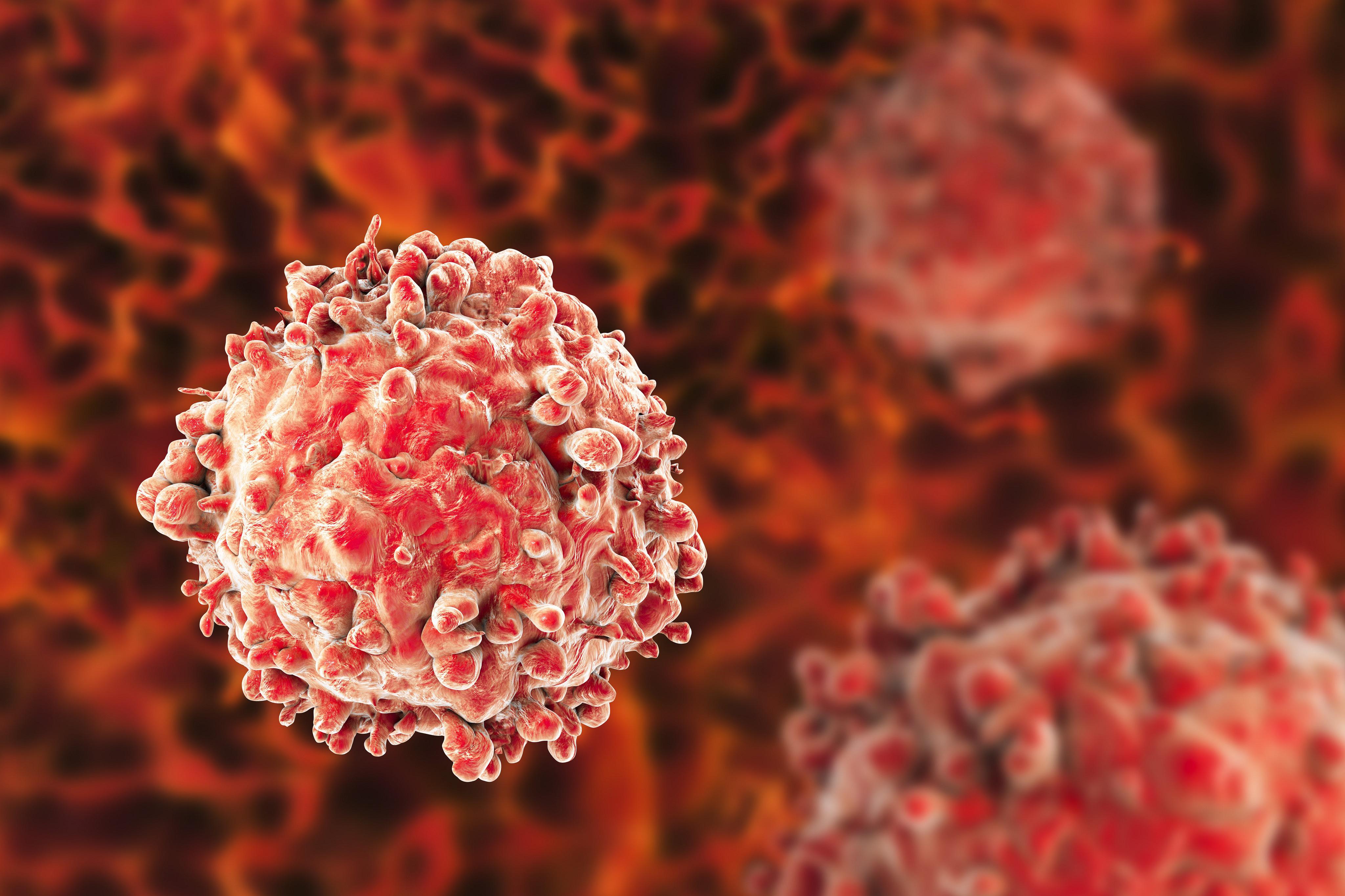
When a malignancy develops, the DNA of a single developing blood cell—most commonly a white blood cell—sustains a critical mutation. This mutation halts the cell’s natural maturation process and overrides the biological signals that dictate normal cell death. Consequently, these immature, non-functional cells begin to multiply uncontrollably. As they proliferate, they densely pack the bone marrow cavities, violently crowding out the healthy, functioning cells. This severe biological overcrowding directly leads to the classic symptoms of the disease, including profound fatigue from anemia, a heightened susceptibility to severe infections, and uncontrollable bleeding due to plummeting platelet counts.
Categorizing the Variants of the Disease
Medical professionals categorize the disease based on the speed of progression and the specific type of blood cell affected. Acute forms of the illness involve highly immature cells that multiply at an alarming rate, necessitating immediate, aggressive medical intervention. In contrast, chronic variants involve more mature cells that accumulate slowly over time, sometimes remaining asymptomatic for years before requiring treatment.
Furthermore, the disease is classified by its cellular origin. Myelogenous variations affect the myeloid cells, which normally develop into red blood cells, platelets, and certain types of white blood cells. Lymphocytic variations target the lymphoid cells, which are responsible for producing the body’s specialized immune defenders. Identifying the exact cellular sub-type through advanced genetic profiling is an absolute prerequisite, as the therapeutic protocols for different variants vary drastically.
Advancing Beyond Conventional Chemotherapy
While intensive chemotherapy remains a cornerstone of induction therapy—the initial phase designed to rapidly clear visible malignant cells from the blood and bone marrow—the modern standard of care increasingly integrates highly targeted interventions. Targeted therapies utilize specialized drugs designed to identify and exploit specific genetic vulnerabilities within the malignant cells. For example, tyrosine kinase inhibitors can effectively block the precise enzymatic signals that promote the growth of certain malignant cell lines, effectively halting disease progression with significantly less toxicity to healthy tissues.
Immunotherapy represents another profound leap forward. These treatments harness the patient’s own biological defense mechanisms, utilizing laboratory-engineered monoclonal antibodies or genetically modified T-cells to actively seek out and destroy malignant cells hiding within the body.
The Role of Cellular Transplantation
For patients facing high-risk or relapsing forms of the disease, achieving long-term remission frequently requires a hematopoietic stem cell transplant. This highly complex, curative procedure completely replaces the patient’s diseased bone marrow with healthy, fully functional stem cells procured from a genetically compatible donor.
The transplantation journey begins with an intense conditioning phase, utilizing myeloablative chemotherapy and occasionally radiation to entirely eradicate the existing diseased marrow and suppress the patient’s immune system. Following this rigorous preparation, the healthy donor stem cells are introduced intravenously. Over the ensuing weeks, these remarkable cells migrate into the empty bone marrow cavities and initiate the engraftment process, autonomously generating a brand-new, healthy blood supply and immune system capable of recognizing and eliminating any residual malignant cells.
The Imperative of Elite Medical Infrastructure
The immense physical toll of the conditioning phase leaves patients profoundly immunocompromised. Therefore, the physical environment where recovery occurs is just as vital as the procedure itself. Ensuring patient survival during the delicate engraftment period requires highly sanitized positive-pressure isolation units equipped with high-efficiency particulate air (HEPA) filtration systems.
Executing these high-stakes procedures demands a seamlessly integrated, multidisciplinary medical team. World-class medical centers, such as Liv Hospital, are specifically engineered to meet these exacting structural and clinical requirements. By combining state-of-the-art cellular manufacturing laboratories with dedicated oncology experts, infectious disease specialists, and intensive care professionals, such institutions provide the rigorous monitoring, rapid complication management, and comprehensive supportive care necessary to guide patients safely through the most critical phases of their recovery. The continued integration of these advanced therapies ensures that an increasing number of individuals worldwide can look forward to a future free from the constraints of this severe hematological malignancy.


