




Restoring Life: A Guide to Stem Cell Aplastic Anemia Treatment and Procedures

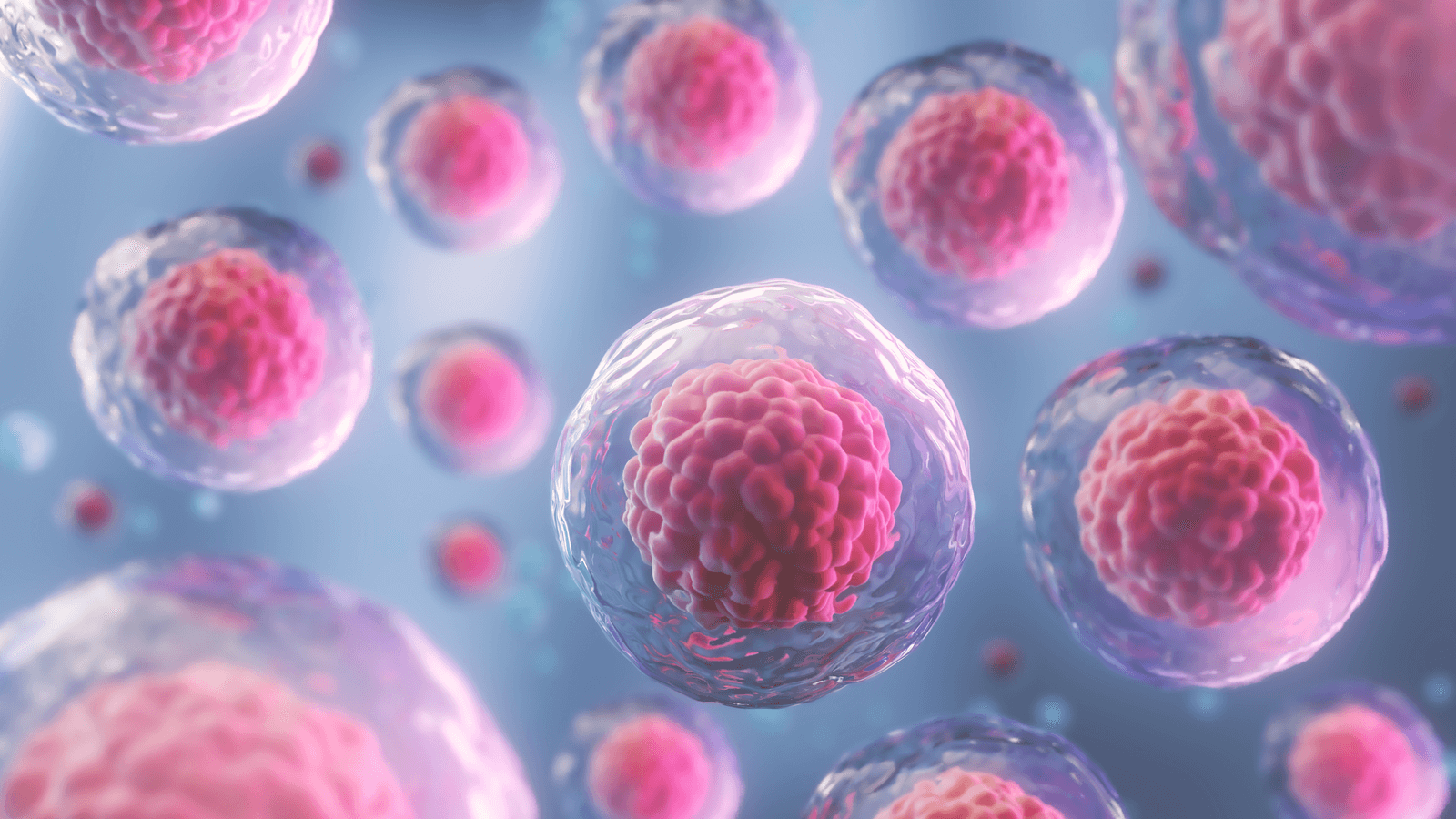
Aplastic anemia is a condition where the bone marrow stops producing enough new blood cells, leading to severe fatigue and increased susceptibility to infection. While the diagnosis is serious, the treatment landscape has evolved significantly. Today, curative options focus on replacing the faulty bone marrow with healthy stem cells, offering patients a genuine chance at a full recovery.
The Transplant Process
The cornerstone of curative treatment for severe aplastic anemia is allogeneic stem cell transplantation. In this procedure, healthy stem cells are collected from a matched donor—usually a sibling or a closely matched unrelated donor. Before the transplant can occur, the patient undergoes a conditioning regimen involving chemotherapy or radiation. This step is crucial as it suppresses the patient’s immune system to prevent rejection of the new cells and clears space in the bone marrow for the new stem cells to grow.
Treatment Protocols and Options
Not all patients follow the exact same path. The choice between immunosuppressive therapy (IST) and hematopoietic stem cell transplantation (HSCT) depends on factors like age, disease severity, and donor availability. For a detailed breakdown of how these protocols are determined and executed, it is essential to review the specifics of Stem Cell Aplastic Anemia Treatment and Procedures. This resource outlines the step-by-step methodologies used to ensure the highest chances of engraftment and survival.
World-Class Care at Liv Hospital
Executing these complex procedures requires a sterile environment and a highly specialized medical team. Liv Hospital is equipped with advanced bone marrow transplant units designed to minimize infection risks during the critical post-transplant period. Their multidisciplinary team ensures that every phase of the treatment—from donor selection to post-procedure monitoring—adheres to international standards of excellence.


