


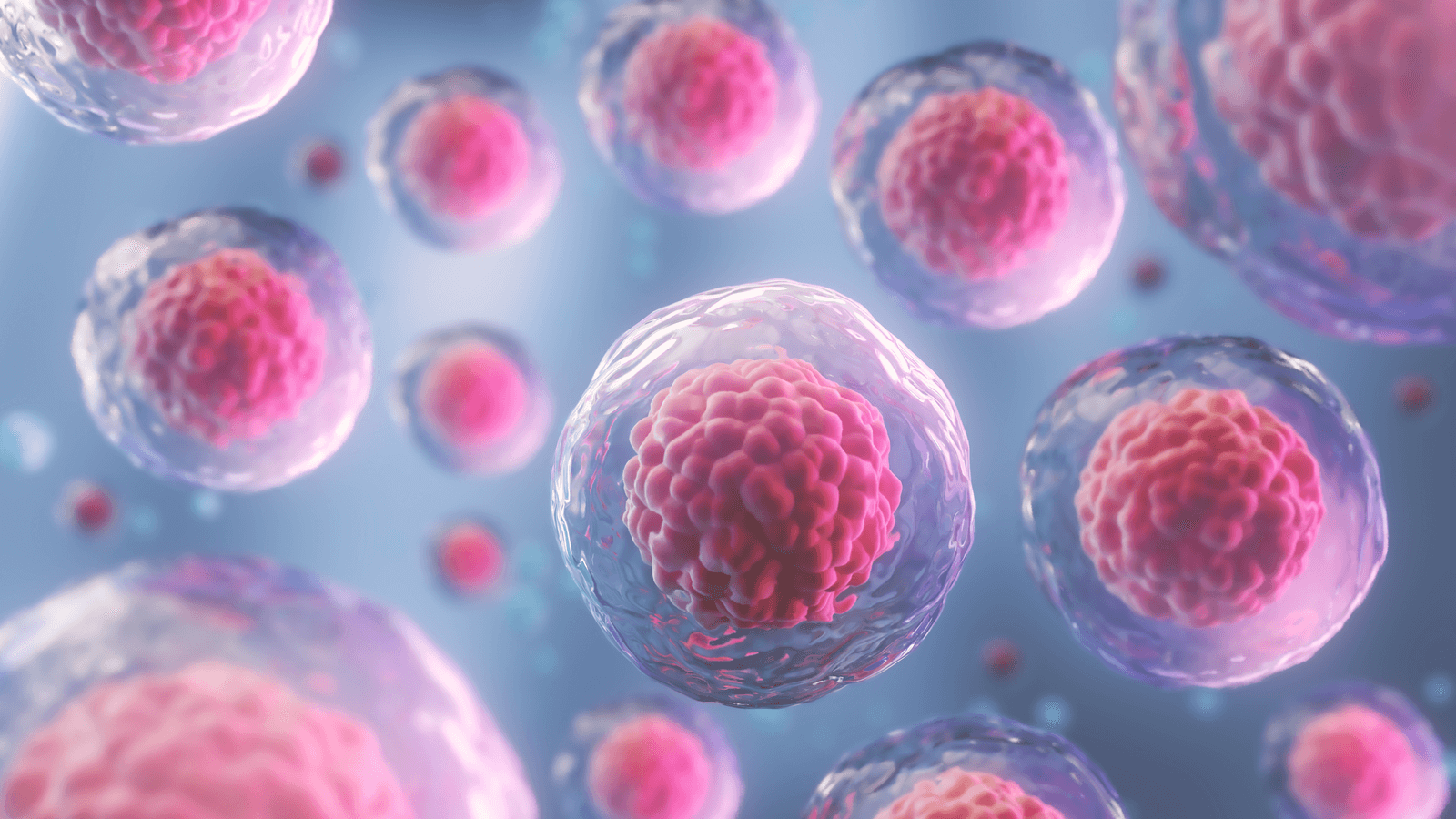


Understanding Aplastic Anemia: A Path to Recovery Through Stem Cells

Aplastic anemia is a rare but serious blood condition that occurs when the body’s bone marrow stops producing enough new blood cells. This leads to fatigue and a higher risk of infections and uncontrolled bleeding. While the diagnosis can be dauntng, advancements in medical science, particularly in stem cell therapy, have opened new doors for effective treatment and long-term recovery.
What is Aplastic Anemia?
At its core, aplastic anemia is a form of bone marrow failure. Bone marrow is the spongy material inside your bones responsible for producing stem cells, which eventually develop into red blood cells (carrying oxygen), white blood cells (fighting infection), and platelets (helping blood clot). When the bone marrow is damaged—whether by autoimmune disease, radiation, toxins, or unknown causes—it essentially shuts down production.
For patients and families seeking a deeper understanding of the condition and its technical classification, it is helpful to consult a detailed Stem Cell Aplastic Anemia Overview and Definition. Understanding the specific type and severity of the anemia is the first step toward determining the right course of action.
The Role of Stem Cell Transplantation
For severe cases of aplastic anemia, medication alone may not be sufficient. This is where stem cell transplantation (often called a bone marrow transplant) comes in. It is widely considered the only potential cure for severe aplastic anemia.
The procedure involves replacing the damaged bone marrow with healthy stem cells from a donor. Once these new cells engraft, they begin to produce healthy blood cells, effectively “rebooting” the patient’s immune and blood systems.
Comprehensive Care at Liv Hospital
Successful treatment requires a multidisciplinary approach, combining hematology, oncology, and specialized nursing care. Liv Hospital is at the forefront of these advanced treatments, providing state-of-the-art facilities for stem cell transplantation. With a focus on patient safety and international standards of care, the goal is to guide patients through the complexities of diagnosis, transplantation, and post-procedure recovery with compassion and expertise.


