

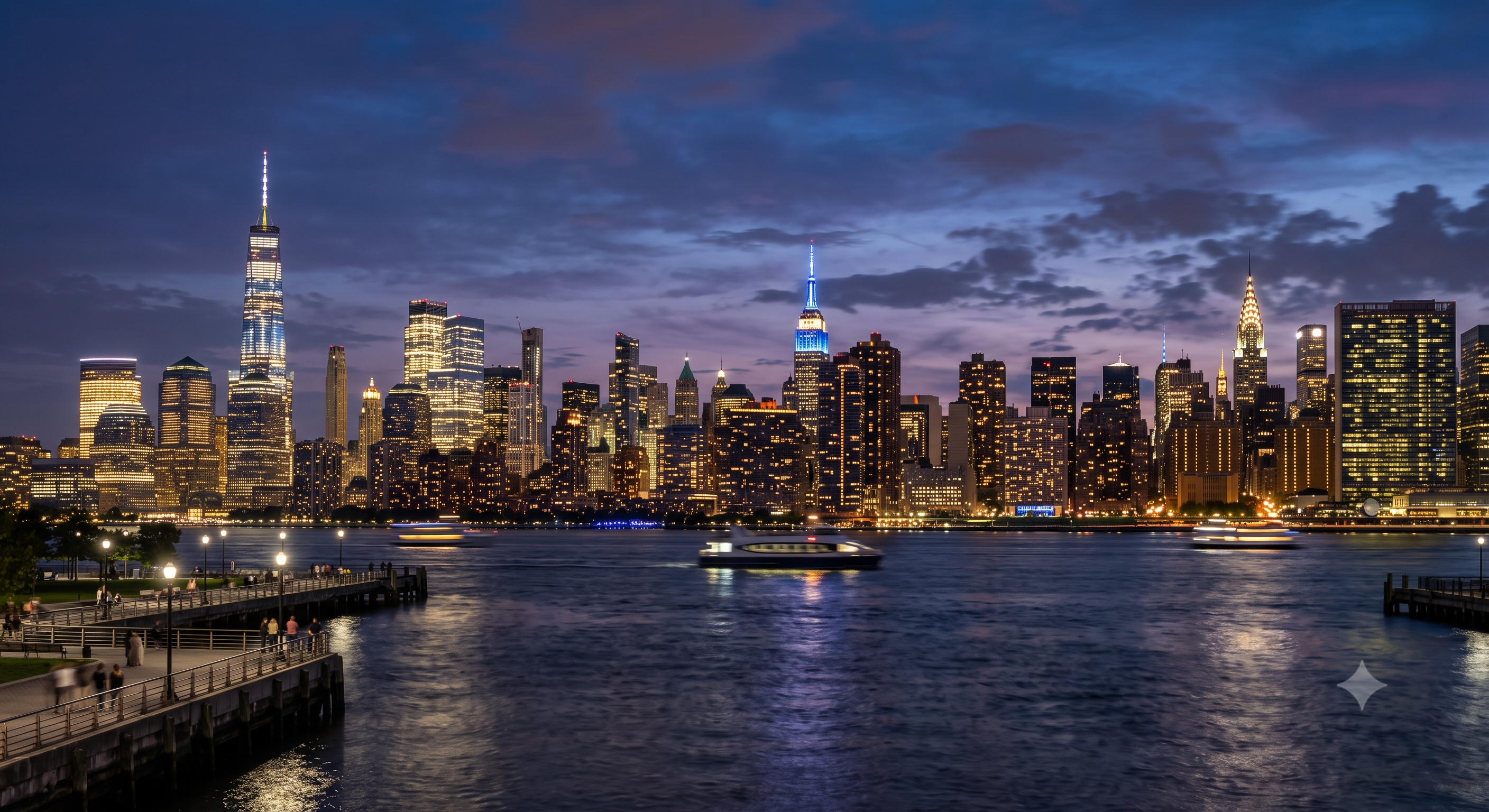



Travel Without the Passport

There is a pervasive myth in modern culture that “adventure” is a geographic location. We are conditioned to believe that wonder is a resource that must be imported from thousands of miles away. We scroll through social media feeds filled with turquoise waters in the Maldives, ancient ruins in Rome, or neon-lit streets in Tokyo, and we internalize a subtle but damaging message. We start to believe that our actual lives, the ones lived in the suburbs or the city blocks where we pay rent, are inherently dull. We save our curiosity for two weeks a year and spend the other fifty weeks moving through our environments with our eyes glazed over, waiting for the plane to take off.
But the thrill of travel has very little to do with the destination itself. It has everything to do with the mindset we bring to it. When we are tourists, we pay attention. We look up at the architecture. We read the plaques on the statues. We try the strange food at the corner market. We ask questions. We are present. The moment we return home, that switch flips off. We stop looking. We enter “commuter mode,” where the streets are just arteries to get us from Point A to Point B. The tragedy is not that our neighborhoods are boring. The tragedy is that we have stopped seeing them.
The concept of “traveling at home” is an antidote to this familiarity blindness. It is the practice of applying the “tourist gaze” to the place where you already live. This is not about a “staycation” where you sit on your couch and watch movies. It is an active, intentional exploration of the ten-mile radius around your bed. It requires a deliberate breaking of patterns. If you usually drive to the grocery store, walk. If you usually walk down Main Street, take the alleyway behind it. When you disrupt your default routes, you force your brain to engage with the environment again. You notice the way the light hits the old library, or the strange gargoyle on the bank building that you have passed a thousand times without seeing.
Every neighborhood, no matter how seemingly mundane, is a layered text of history and humanity. There are stories hidden in the cracks of the sidewalk. That generic-looking park might have been a historic meeting ground a century ago. That weirdly shaped building might be a remnant of a defunct architectural movement. When you start treating your hometown like a puzzle to be solved rather than a backdrop to be ignored, it reveals itself to you. You can visit the local museum that you have always skipped because “it will always be there.” You can read the local paper to understand the micro-dramas of the community board. These are the textures of life that we find fascinating when we are in a foreign country but dismiss when they are in our own zip code.
One of the most powerful aspects of travel is the permission it gives us to talk to strangers. In a foreign city, asking for directions or a restaurant recommendation is an opening for connection. At home, we tend to keep our heads down and our headphones on. Traveling without a passport means reclaiming that openness. It means striking up a conversation with the barista you see every morning but have never actually spoken to. It means asking the person at the dog park about their pet. These “weak ties” are the threads that weave us into a place. When you start to know the faces and the stories around you, the street transforms from a cold thoroughfare into a community.
There is also a profound economic and environmental argument for this shift. Traditional travel is expensive, carbon-intensive, and often stressful. Hyper-local travel is free and sustainable. It allows you to scratch the itch for novelty without the burnout of jet lag. It teaches us that we do not need to consume jet fuel to feel alive. We just need to consume the details of the world right in front of us.
The art of the “dérive,” a concept from French philosophy meaning a “drift,” is perfect for this. It involves walking through a city without a destination, letting the architecture and the vibe of the streets guide you. It is the opposite of the commute. You turn left because a blue door looks interesting. You stop because you hear music. You let the neighborhood surprise you. In doing so, you reclaim your autonomy. You are no longer a rat in a maze running a routine; you are an explorer mapping new territory.
This shift in perspective does something even more important than curing boredom. It fosters gratitude. When we constantly pine for the “somewhere else,” we live in a state of perpetual lack. We are always waiting for the future. When we learn to find the beautiful, the weird, and the fascinating in our own backyard, we inhabit the present. We realize that the magic of the world is not distributed unevenly. It is everywhere. It is just a matter of whether we are willing to wipe the fog off our glasses and look.
The World Waiting at Your Doorstep
The next time you feel the urge to escape, try opening your front door and turning left instead of right. Look at the rooftops. Read the graffiti. Visit the shop you have never entered. You might find that the sense of wonder you were willing to pay thousands of dollars for has been sitting there, waiting for you, free of charge. The world is vast and beautiful, but the most important part of it is the small slice you get to call home. By becoming a tourist in your own life, you ensure that you are never truly bored again. You become a traveler who never has to pack a bag.


